Horse Trails and Easements: Trail Courtesy Policy and Prohibition of Motorized Vehicles
A Guideline for a safe and enjoyable Horse Trail and Easement experience
Trail Courtesy Policy
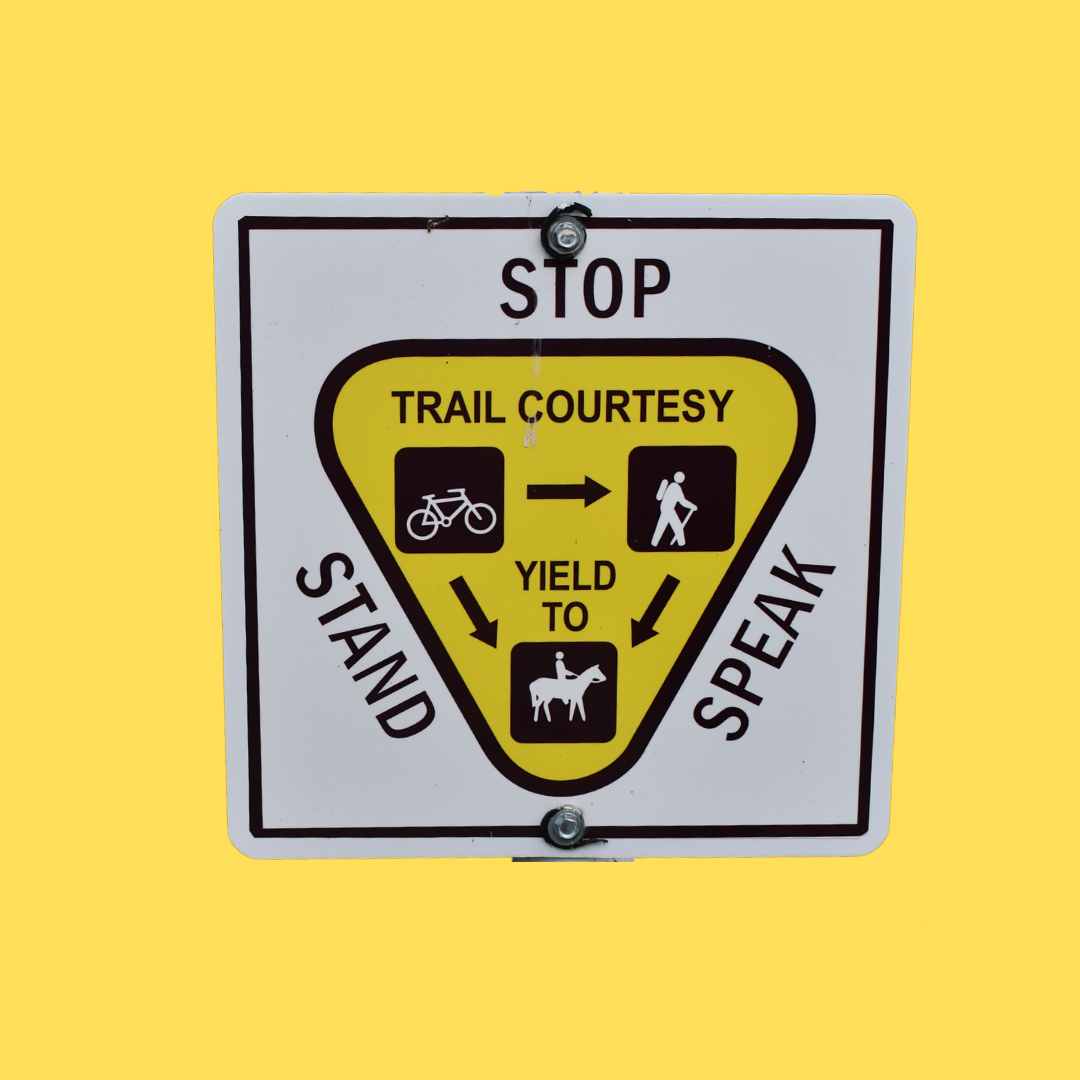
In California, trail courtesy policies for horses, bikes and hikers are designed to ensure safety and enjoyment for all users. These guidelines help minimize conflicts and accidents on multi-use trails. The standard trail courtesy policy typically follows the "Yield Triangle" rules:
Horses:
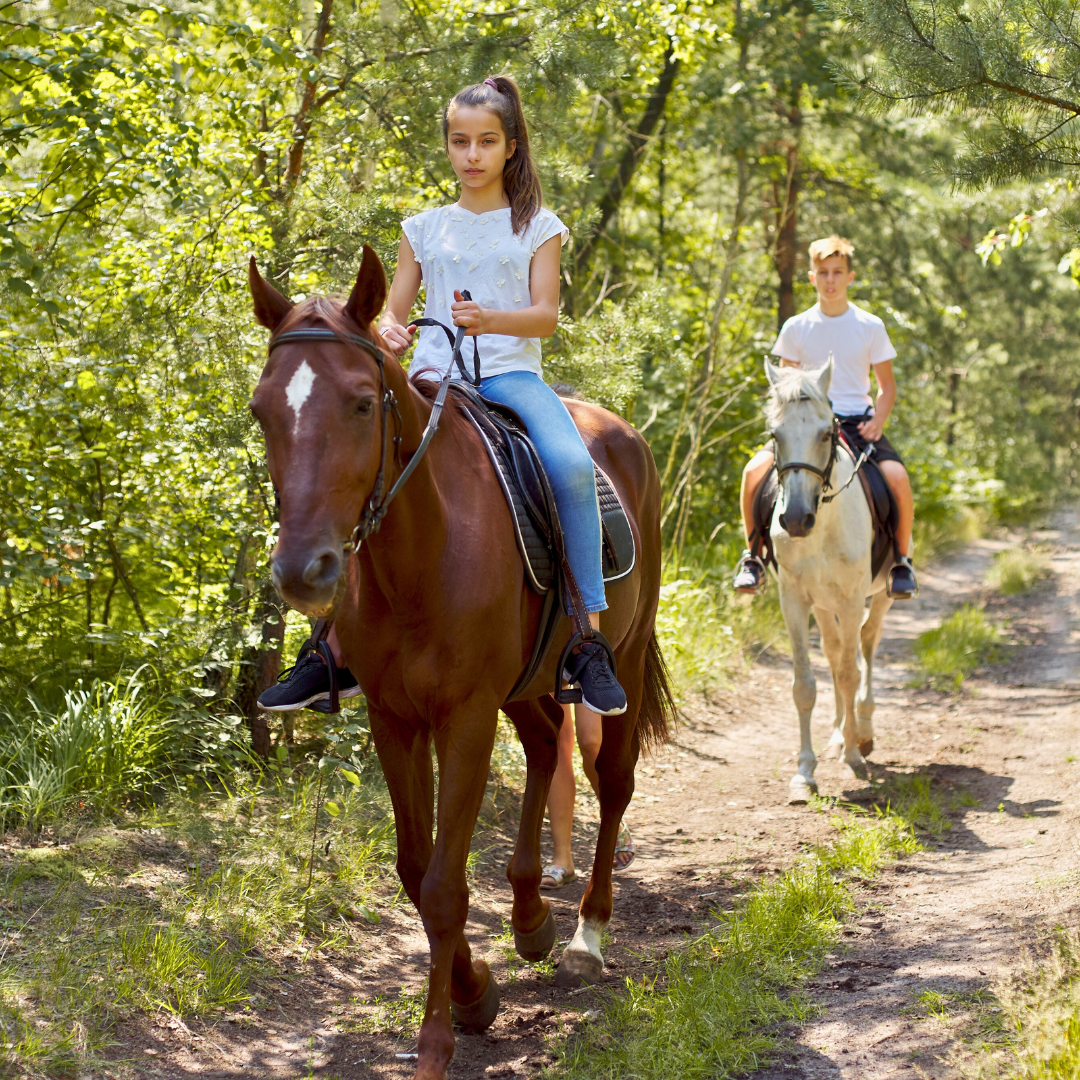
- Equestrians have the right of way on trails.
- All other trail users (hikers and bikers) should yield to horses.
- When encountering horses, hikers and bikers should step off the trail on the downhill side and speak calmly to the rider to avoid spooking the horse.
Hikers:
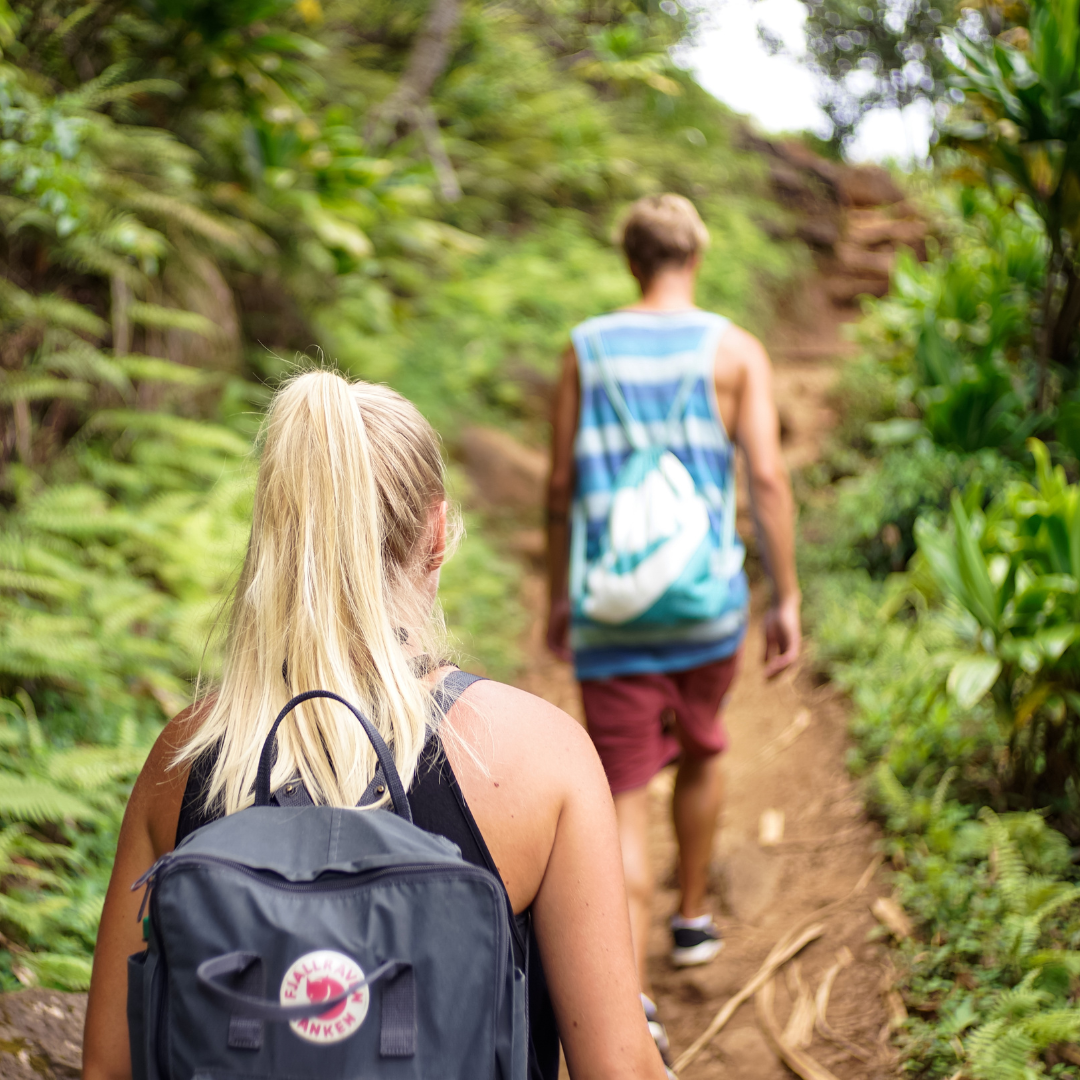
- Hikers yield to horses.
- Hikers should also yield to uphill hikers, as those moving uphill may have a more strenuous effort and less visibility.
- When approaching from behind, hikers should announce their presence and pass on the left when safe.
Bikes:
- Bikers yield to both horses and hikers.
- Bikers should slow down and announce their presence well in advance, especially when approaching from behind.
- Bikers should pass on the left when safe and give ample space.
Motorized Vehicles
Several SDCE residents and managers have expressed concern about motorized vehicles using the horse trails and easements. It's important to note that this issue is addressed in the SDCEA Handbook (Section 1.15, Vehicles and Parking). The handbook stipulates that all off-road recreational vehicles are prohibited on easements, horse trails, and green spaces. This includes but is not limited to e-bikes—bicycles equipped with an electric motor to assist with propulsion. Motorized vehicles may only be used on horse trails and green spaces for maintenance, fire, medical, law enforcement, and equestrian purposes (such as feed delivery, manure removal, farrier, and veterinarian services).
Municipal restrictions prohibit this activity for several reasons:
- Safety Concerns: The noise and movement of motorized vehicles can easily spook horses, potentially causing accidents and injuries to both riders and horses.
- Trail Damage: Motorized vehicles can cause considerable damage to horse-designated trails, creating ruts, erosion, and other forms of degradation that compromise both security and enjoyment.
- Environmental Impact: Motorized vehicles can cause soil compaction, damage to plants, and disruption to wildlife habitats, which undermines the environmental integrity of horse trails.
- User Experience: The presence of motorized vehicles disrupts the serene, natural experience that horse riders seek. The noise, exhaust, and speed clash with the quiet, leisurely enjoyment of nature.
- Regulatory Compliance: Since many horse trails are reserved for non-motorized use by regulatory agencies, using motorized vehicles on these trails can breach local, state, or federal laws, potentially leading to fines and penalties.
- Conflict Prevention: Introducing various types of trail users can result in conflicts and accidents. Excluding motorized vehicles from horse trails helps prevent these issues.
Let's keep our horse trails and easements safe and enjoyable for all.